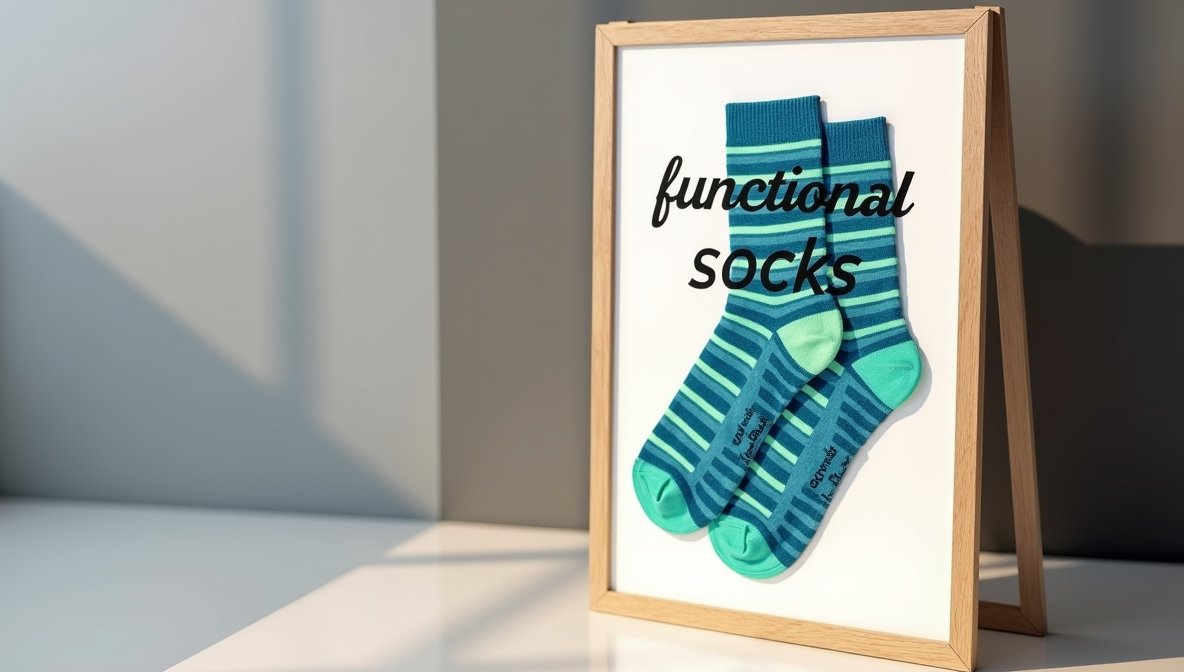
Socks are often overlooked in the wardrobe, yet they play a vital role in comfort, performance, and foot health. Over the years, the concept of functional socks has evolved from simple cotton coverings to high-tech garments engineered for performance, durability, and style. These socks go beyond basic protection, offering moisture-wicking, arch support, cushioning, and even antimicrobial properties.
Understanding the benefits and applications of functional is essential not only for athletes and outdoor enthusiasts but also for everyday users seeking enhanced comfort and durability. This comprehensive guide explores the world of functional sock, including their materials, design innovations, benefits, types, care, and selection strategies to ensure optimal use.
From casual wear to sports performance, socks have become a crucial element of footwear, influencing comfort, injury prevention, and even athletic performance. By the end of this article, readers will gain a detailed understanding of why investing in socks is both practical and advantageous.
The Evolution of Socks
Socks have been worn for centuries, evolving in design, material, and functionality. Early socks were made of animal skins or woven fabrics, primarily for warmth. Over time, innovations in textile technology led to the creation of cotton, wool, and synthetic blends, paving the way for modern functional socks.
The rise of sports, outdoor activities, and a focus on wellness increased the demand for socks that provide more than just basic protection. Modern consumers now seek socks that prevent blisters, wick moisture, support arches, and even regulate temperature. This evolution reflects a broader trend toward integrating performance-enhancing features into everyday apparel.
Understanding the history of socks offers insight into how design and material innovations have transformed a simple garment into a high-performance accessory.
Benefits of Functional Socks
The advantages of functional extend beyond comfort and fashion. Here are key benefits that highlight their importance:
- Moisture Management: Specialized fibers wick sweat away from the skin, reducing the risk of blisters and bacterial growth.
- Cushioning and Impact Protection: Targeted padding absorbs shock, protecting feet during high-impact activities like running, hiking, or sports.
- Temperature Regulation: Some socks are designed with thermal insulation or breathable mesh to maintain optimal foot temperature.
- Arch and Ankle Support: Compression zones provide stability, reduce fatigue, and support proper alignment during prolonged activity.
- Durability: Reinforced toes, heels, and seams enhance longevity, making them ideal for frequent use.
- Hygiene: Antimicrobial treatments prevent odor and bacterial growth, maintaining freshness even after extended wear.
The widespread adoption of socks in sports, professional attire, and outdoor adventures reflects their growing importance in everyday life.
Materials Used in Functional Socks
Material choice is central to the performance and comfort of socks. Advances in textile engineering have introduced fibers that enhance durability, moisture management, and comfort.
Common Materials:
- Merino Wool: Soft, breathable, moisture-wicking, and naturally antimicrobial. Ideal for both cold and warm conditions.
- Synthetic Fibers (Nylon, Polyester, Acrylic): Durable, elastic, and often blended with other materials for enhanced performance.
- Spandex/Lycra: Adds stretch and ensures socks maintain shape while providing compression.
- Cotton Blends: Soft and comfortable, often combined with synthetics for better moisture management.
Selecting the right material depends on activity, climate, and personal preference. Those interested in socks benefit from understanding the properties of each fiber type and how they contribute to overall performance. fathers day uk 2024
Design Features of Functional Socks
Functional incorporate various design elements to enhance performance and comfort:
- Cushioned Soles: Targeted padding reduces pressure on the heel and ball of the foot.
- Arch Compression: Provides support and improves blood circulation during prolonged wear.
- Seamless Construction: Minimizes friction and reduces the risk of blisters.
- Breathable Mesh Zones: Enhances airflow and keeps feet dry.
- Reinforced Heels and Toes: Improves durability in high-wear areas.
- Ankle and Calf Height Options: Designed to suit specific activities, from running and hiking to casual wear.
Types of Functional Socks

Athletic Socks: Designed for running, cycling, and sports, they provide moisture control, cushioning, and arch support.
Hiking and Outdoor Socks: Typically made from wool or synthetic blends, they offer temperature regulation, extra cushioning, and blister prevention.
Compression Socks: Provide graduated compression to improve circulation, reduce swelling, and support recovery after prolonged standing or exercise.
Casual and Everyday Socks: While less specialized, these socks incorporate subtle functional elements such as cushioning and moisture-wicking for daily comfort.
Specialty Socks: Include diabetic socks, ski socks, and winter thermal socks, each designed to address specific medical or environmental needs.
Understanding the different categories allows consumers to choose the right functional socks for their lifestyle and activity level.
Functional Socks for Athletes
Athletes benefit significantly from performance-oriented socks. High-intensity activities such as running, basketball, or football place stress on the feet, making proper support crucial.
Key Features for Athletes:
- Targeted cushioning to absorb impact.
- Breathable panels for moisture control.
- Compression zones to support arches and ankles.
- Seamless construction to prevent friction.
Studies and professional endorsements reveal that investing in socks enhances comfort, reduces injury risk, and can even improve overall performance during rigorous physical activity.
Outdoor and Hiking Functional Socks
Outdoor enthusiasts and hikers require socks that withstand variable conditions and prolonged activity. These socks are designed to provide durability, temperature regulation, and support for extended periods of walking or trekking.
Features of Hiking Socks:
- Wool or wool blends for warmth and moisture control.
- Extra cushioning in the heel and toe areas.
- Reinforced seams to endure rough terrain.
- High ankle designs for protection against debris.
Choosing appropriate functional for outdoor activities ensures comfort, prevents blisters, and provides protection in unpredictable environments.
Compression and Recovery Socks
Compression socks are increasingly popular among athletes, professionals, and individuals with circulatory challenges. These socks apply graduated pressure to improve blood flow, reduce swelling, and accelerate recovery.
Applications:
- Sports Recovery: Worn post-workout to reduce fatigue and muscle soreness.
- Medical Use: Beneficial for patients with varicose veins, diabetes, or deep vein thrombosis.
- Travel: Helps prevent swelling during long flights or periods of inactivity.
The role of functional socks in recovery and health highlights their utility beyond mere comfort, positioning them as an essential component of wellness and performance strategies.
Temperature-Regulating Functional Socks
Temperature control is a critical feature for those living in extreme climates. Functional often incorporate materials and design elements that maintain optimal foot temperature.
- Thermal Wool: Retains heat in cold conditions.
- Breathable Mesh: Facilitates airflow in hot climates.
- Moisture-Wicking Fibers: Prevent feet from overheating due to sweat accumulation.
Understanding the thermal properties of functional enables consumers to select pairs suited for seasonal or climate-specific needs.
Care and Maintenance of Functional Socks
Proper care ensures the longevity and performance of functional. These garments are often made with specialized fibers that require careful handling.
Care Guidelines:
- Wash in cold or warm water to prevent shrinkage or material degradation.
- Avoid bleach, which can damage synthetic fibers.
- Air dry or use low-heat settings to maintain elasticity.
- Store socks in a dry environment to prevent mildew and odor.
Investing in functional is more sustainable when users follow care instructions, preserving comfort, support, and performance over time.
Choosing the Right Functional Socks
Selecting the right socks requires consideration of activity, environment, and personal preference. Factors to evaluate include:
- Material Composition: Wool blends for warmth, synthetics for moisture management.
- Cushioning Needs: Thick padding for impact-heavy activities, thin for casual wear.
- Fit and Compression: Ensure proper sizing for optimal support.
- Activity Level: Specialized designs for running, hiking, or daily wear.
A well-informed choice ensures that functional deliver the intended benefits, enhancing comfort, performance, and foot health.
Fashion and Functional Socks

Beyond performance, functional have also become a fashion statement. Designs now combine aesthetics with functionality, offering vibrant colors, patterns, and textures without compromising performance.
Trends in Fashionable Functional Socks:
- Bold colors and geometric patterns.
- Collaborative designs with popular brands.
- Integration of functional elements like moisture-wicking or cushioning in stylish designs.
Benefits for Everyday Life
While specialized socks are critical for athletes and outdoor enthusiasts, the advantages of functional socks extend to everyday life.
- Reduced fatigue from long periods of standing.
- Prevention of blisters and irritation in daily activities.
- Enhanced comfort in work or casual settings.
- Improved hygiene and odor control.
The widespread adoption of socks demonstrates their relevance to diverse lifestyles and activities.
Technological Innovations in Socks
The sock industry has embraced cutting-edge technologies to enhance functionality:
- Moisture-Wicking Fibers: Move sweat away from the skin, keeping feet dry.
- Anti-Odor and Antimicrobial Treatments: Reduce bacterial growth and odor.
- 3D Knitting: Provides precise cushioning and compression tailored to foot contours.
- Smart Socks: Embedded sensors monitor activity, pressure, and gait, aiding performance and health tracking.
These innovations have propelled functional socks into a category where apparel meets technology, providing measurable benefits to users.
Environmental Considerations
As sustainability becomes a priority, many functional sock incorporate eco-friendly practices:
- Recycled fibers from plastic bottles or textile waste.
- Organic wool and cotton for reduced chemical usage.
- Manufacturing processes that minimize water and energy consumption.
Conclusion
Functional socks are no longer just an accessory—they are a critical component of comfort, performance, and health. From moisture management and cushioning to temperature regulation, compression, and fashion, these socks address multiple needs in modern life.
The evolution, design innovations, materials, and specialized applications of socks highlight their importance across sports, outdoor activities, and everyday use. By selecting the right pairs, adhering to care guidelines, and embracing technological and sustainable advancements, users can maximize the benefits of these high-performance garments.