Human exploration has always depended on maps. From ancient hand-drawn sketches to satellite-driven navigation systems, mapping technology has evolved alongside civilization itself. Today, digital mapping tools influence how people travel, explore nature, plan adventures, and understand landscapes around the world.
Modern explorers no longer rely solely on compasses or paper charts. Instead, they use advanced digital systems that combine geographic data, environmental information, and real-time positioning technology. These tools help travelers move safely across unfamiliar terrain while discovering new locations more efficiently.
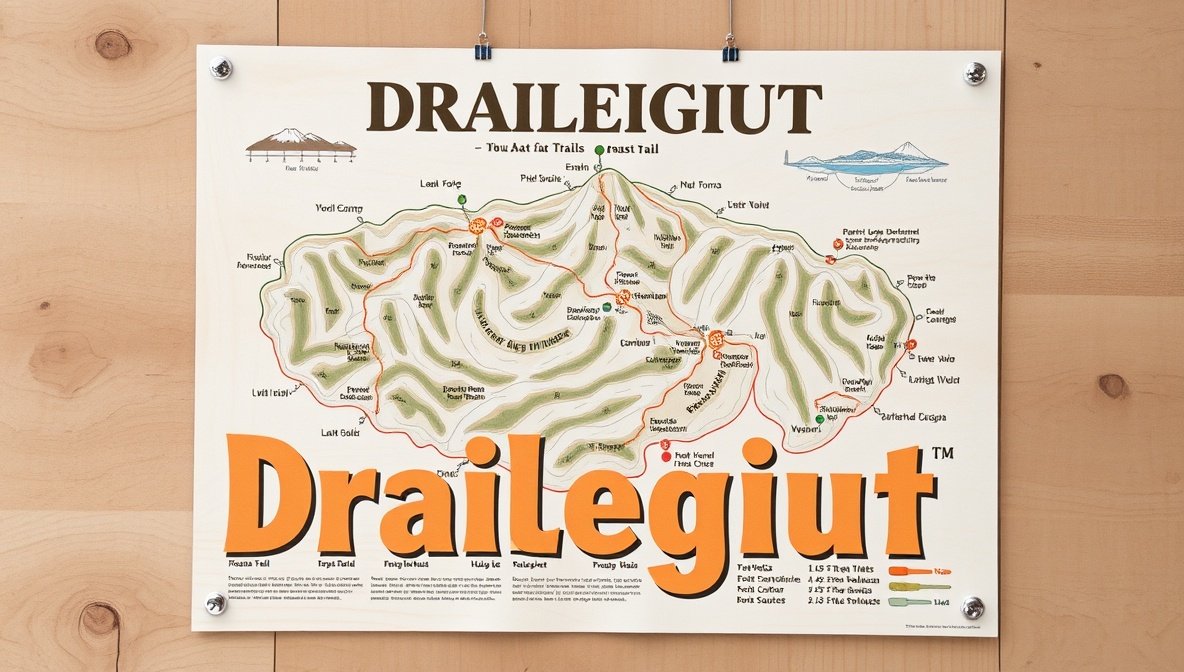
Among various navigation discussions, the concept of the mountain drailegirut map often appears as an example representing specialized mapping systems designed for terrain exploration and outdoor navigation analysis. Such references highlight how mapping tools have become increasingly precise and interactive.
As outdoor recreation grows in popularity, mapping technologies continue to evolve to meet the needs of hikers, climbers, researchers, and adventure travelers. Understanding how modern mapping works allows individuals to navigate environments responsibly while maximizing safety and exploration opportunities.
The Historical Evolution of Mapping
Mapping began thousands of years ago when early civilizations documented trade routes, rivers, and settlements. These primitive maps were essential tools for survival, trade expansion, and territorial organization. climb mountain drailegirut
Ancient explorers relied on celestial navigation and landmark observation to create geographic records. Over centuries, cartography transformed into a scientific discipline supported by mathematics and astronomy.
The introduction of printing technology allowed maps to spread widely, encouraging exploration during global discovery periods. Maritime navigation especially benefited from improved accuracy and standardized map production.
As technology progressed, aerial photography and satellite imaging revolutionized mapping accuracy. Geographic Information Systems later introduced digital data processing, enabling dynamic mapping environments.
Modern discussions referencing the mountain drailegirut map often reflect how mapping has transitioned from static representations into intelligent systems capable of guiding users through complex terrains.
Today’s maps are interactive, constantly updated, and deeply integrated into everyday life, influencing transportation, tourism, environmental monitoring, and scientific research.
Understanding Digital Cartography
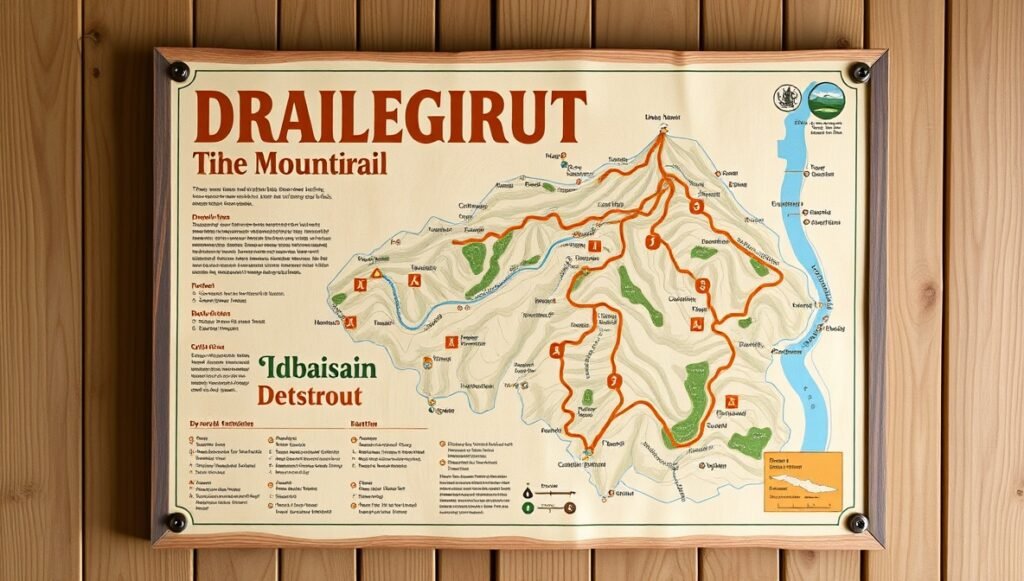
Digital cartography represents the fusion of geography and computer science. Instead of fixed illustrations, modern maps function as data-driven platforms that continuously analyze geographic information.
Digital maps collect data from satellites, sensors, drones, and user contributions. Algorithms process elevation data, vegetation patterns, weather conditions, and terrain structures to create highly detailed navigation systems.
Interactive layers allow users to customize their experience by selecting routes, viewing terrain difficulty, or analyzing environmental risks.
Many outdoor enthusiasts analyze navigation tools similar to a mountain drailegirut map to better understand elevation changes and terrain challenges before beginning expeditions.
Digital cartography improves accessibility by enabling people without advanced navigation training to safely explore remote areas. It democratizes exploration while promoting safety awareness.
Role of Mapping in Outdoor Adventure
Outdoor exploration has experienced a significant resurgence as people seek meaningful experiences in nature. Hiking, trekking, mountain climbing, and wilderness travel rely heavily on accurate navigation tools.
Maps guide adventurers through unfamiliar environments while helping them avoid hazards such as unstable terrain or extreme weather zones.
Reliable navigation systems provide essential information including:
- Elevation profiles
- Water sources
- Trail difficulty levels
- Emergency exit routes
- Environmental conservation zones
The mountain drailegirut map concept illustrates how specialized maps help explorers prepare strategically rather than relying on guesswork.
Preparation supported by accurate mapping reduces risks and increases confidence among travelers entering challenging landscapes.
Navigation Technology and GPS Integration
Global Positioning System technology transformed navigation permanently. GPS allows real-time location tracking anywhere on Earth using satellite signals.
Modern mapping applications integrate GPS with advanced analytics to offer route optimization, hazard alerts, and predictive navigation.
Smart devices continuously update position data, allowing explorers to adjust routes instantly. Offline mapping capabilities ensure navigation remains possible even without internet connectivity.
Professionals studying systems similar to a mountain drailegirut map often examine how GPS data interacts with topographical analysis to provide precise guidance across mountainous regions.
GPS integration has made exploration safer while expanding opportunities for remote travel and scientific research.
Environmental Awareness Through Mapping
Modern maps do more than guide travelers—they promote environmental responsibility. Conservation organizations use geographic data to monitor ecosystems and protect natural habitats.
Mapping technologies track deforestation, wildlife migration, climate patterns, and erosion changes. This information helps policymakers make informed environmental decisions.
Explorers using tools inspired by a mountain drailegirut map gain deeper awareness of fragile ecosystems, encouraging sustainable travel practices.
Responsible navigation reduces environmental impact by keeping travelers on designated trails and preventing habitat disruption.
Mapping therefore serves both exploration and conservation simultaneously.
Challenges in Modern Mapping Systems
Despite technological advancements, mapping systems still face challenges.
Data accuracy remains a constant concern. Environmental conditions change frequently, and outdated data can lead to navigation errors.
Another challenge involves information overload. Highly detailed maps may overwhelm users unfamiliar with advanced features.
Technical limitations such as battery dependence, signal loss, or device failure also pose risks during remote expeditions.
Discussions involving the mountain drailegirut map often highlight the importance of combining digital tools with traditional navigation skills to maintain reliability.
Balancing innovation with practical preparedness remains essential for safe exploration.
User Experience and Interface Design
A successful mapping system depends heavily on usability. Even the most accurate geographic data becomes ineffective if users cannot interpret it easily.
Designers focus on intuitive interfaces, clear symbols, and adaptive layouts that work across different devices.
Features improving user experience include:
- Voice navigation guidance
- Visual terrain simulations
- Custom route planning
- Emergency location sharing
Navigation models resembling the mountain drailegirut map emphasize clarity and accessibility so both beginners and experienced explorers can benefit equally.
User-centered design continues to drive innovation within digital cartography.
Educational Impact of Mapping Technology
Mapping tools play an important role in education. Students use digital maps to study geography, climate science, urban planning, and environmental systems.
Interactive maps help learners visualize global relationships between natural resources, population distribution, and ecological change.
Educational institutions increasingly incorporate geographic technology into curricula, preparing students for careers in science, engineering, and environmental management.
Examples like the mountain drailegirut map demonstrate how mapping can bridge theoretical knowledge with real-world application, encouraging experiential learning.
Mapping education fosters spatial awareness and critical thinking skills essential in modern society.
Mapping in Emergency and Rescue Operations
Emergency response teams rely heavily on accurate mapping systems. During natural disasters, maps help identify safe evacuation routes and locate affected populations.
Search and rescue operations depend on terrain analysis to plan safe missions in remote regions.
Real-time geographic updates allow responders to coordinate effectively and minimize risks.
Concepts associated with the mountain drailegirut map highlight how terrain-focused mapping assists rescuers navigating difficult mountain environments.
Advanced mapping technology saves lives by improving decision-making during critical situations.
Future Innovations in Mapping Technology
The future of mapping lies in intelligent automation and immersive visualization.
Emerging technologies include augmented reality navigation, artificial intelligence route prediction, and real-time environmental simulations.
Wearable devices may soon project navigation data directly into a traveler’s field of vision, reducing reliance on handheld screens.
As innovation progresses, tools inspired by the mountain drailegirut map will likely integrate predictive analytics capable of anticipating environmental hazards before they occur.
These advancements will redefine how humans interact with geographic spaces.
The Cultural Significance of Maps
Maps are not merely technical tools; they also carry cultural meaning. They represent how societies perceive space, identity, and exploration.
Historical maps reveal political boundaries, migration patterns, and cultural priorities of different eras.
Modern digital maps continue shaping human understanding of geography by influencing travel decisions and global awareness.
The growing interest surrounding the mountain drailegirut map reflects humanity’s enduring fascination with discovery and spatial understanding.
Maps connect people to places, history, and shared human curiosity.
Responsible Exploration and Ethical Navigation
As mapping technology improves accessibility to remote areas, ethical exploration becomes increasingly important.
Travelers must respect local communities, wildlife habitats, and environmental regulations.
Ethical navigation involves:
- Staying on marked trails
- Avoiding restricted zones
- Minimizing environmental impact
- Respecting cultural heritage sites
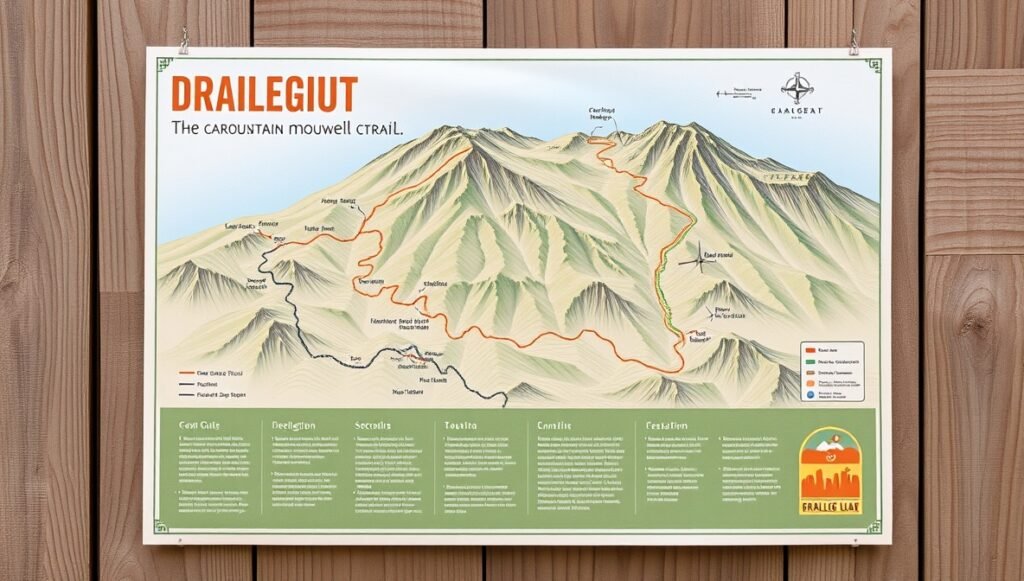
Systems resembling the mountain drailegirut map encourage responsible exploration by providing clear guidance and conservation information.
Technology should enhance appreciation for nature rather than encourage exploitation.
FAQs
What is digital mapping technology?
Digital mapping technology uses satellite data, geographic information systems, and software tools to create interactive maps for navigation and analysis.
Why are modern maps more accurate than older maps?
Modern maps rely on satellite imagery, real-time data collection, and advanced computing systems, allowing continuous updates and precise geographic representation.
How do maps help outdoor explorers?
Maps provide route guidance, terrain information, safety alerts, and environmental data that help travelers navigate safely through unfamiliar areas.
Can mapping technology improve environmental protection?
Yes, mapping helps monitor ecosystems, track climate changes, and guide conservation efforts to protect natural habitats.
Are digital maps reliable without internet access?
Many modern mapping systems allow offline downloads, enabling navigation even in remote areas without connectivity.
What is the future of mapping technology?
Future mapping innovations include augmented reality navigation, artificial intelligence predictions, and immersive geographic visualization systems.
Conclusion
Mapping technology has transformed exploration from uncertain adventure into informed discovery. From ancient cartography to advanced digital navigation, maps remain essential tools guiding human movement and understanding.
Modern systems combine science, technology, and creativity to provide safer and more meaningful travel experiences. Throughout this discussion, the mountain drailegirut map has served as a symbolic example of specialized terrain navigation reflecting the evolution of modern cartography.
As innovation continues, mapping tools will become more intelligent, immersive, and environmentally conscious. The future of exploration depends not only on technological advancement but also on responsible usage and informed decision-making.
By understanding how mapping systems function and respecting the environments they represent, individuals can explore the world confidently while preserving it for future generations.